


Top salary negotiation tips for employers
Table of Contents
- Key takeaways
- Why negotiations matter
- Preparation
- Structuring negotiations
- Conducting negotiations
- Reaching an agreement
- Building strategies
- FAQs

UK Salary Trends Report 2026
Totaljobs research shows that 32% of UK workers have cut back on essential spending and 29% have used savings, loans and credit cards to cover everyday costs. As a result, many are now prepared to negotiate salaries, both with their existing employer and when applying for new roles.
Explore our comprehensive guide to salary and benefit trends
In this article, we’ll cover how you can navigate these conversations, set clear expectations, manage counteroffers, avoid common pitfalls and position salary offers within a broader compensation strategy.
Key takeaways
- Salary negotiations have become more critical, as 32% of workers have cut back on essentials and many are now prepared to negotiate pay
- How employers handle salary discussions directly impacts retention, engagement and employer reputation
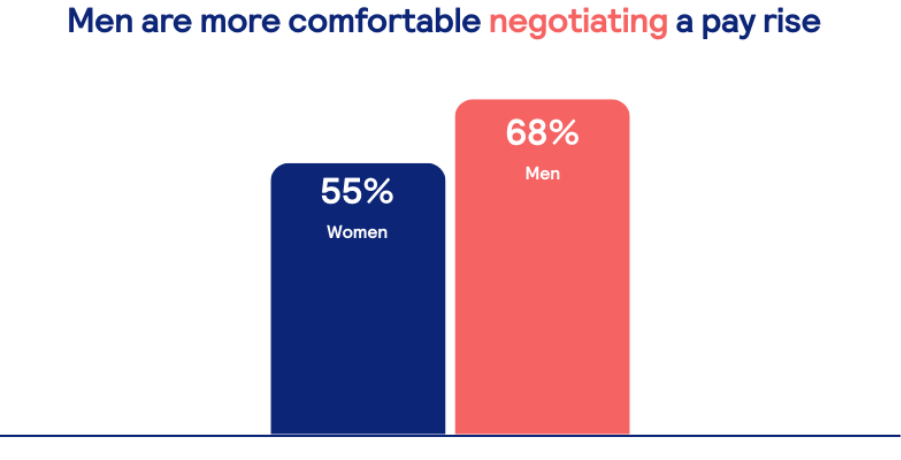
- There is a clear gender gap in negotiation confidence, with 68% of men comfortable negotiating salary compared to 55% of women
- Publishing salary ranges sets clear expectations, with 80% of workers avoiding roles without salary information
- Well-prepared negotiations reduce risk, helping employers avoid overpromising, inconsistency and undervaluing talent
- The most successful negotiations focus on long-term value, combining salary with benefits, development and progression opportunities
Why effective salary negotiation matters
While salary’s impact on employee morale is well-known, what’s particularly telling is that those who feel they’re paid fairly are 50% less likely to look for a new job, highlighting the tangible impact salary negotiations can have.
Approaching salary negotiations strategically sends a clear signal that your organisation values its employees, helping to:
- Motivate teams
- Foster loyalty
- Onboard top talent
- Reduce turnover
Supporting DE&I through salary negotiations
Our research shows that men (68%) are more comfortable negotiating salary than women (55%). Furthermore, 73% of men say their salary reflects their market value compared to 66% of women, while women’s perceived market value is still lower than men’s real pay (£42,000 vs £44,000).
These disparities highlight how traditional salary negotiation practices can unintentionally disadvantage certain groups. By implementing transparent, structured salary negotiation processes, employers can reduce bias, level the playing field and ensure pay decisions are based on role requirements and market value rather than confidence or negotiation style.
This approach supports DE&I by helping all employees feel fairly valued and rewarded for their contributions.
Preparing for salary negotiations
Whether you’re crafting an attractive employee value proposition, making a job offer or looking to boost engagement, salary is always going to play a part.
Preparation is everything when it comes to salary discussions. Without a clear plan, you risk losing top candidates or undervaluing the talent you already have. Here’s what you can do.
Research market and industry standards
Start by researching industry benchmarks to ensure your salary offers are competitive.
Resources like our UK Salary Trends Report are a great starting point. Use it to find salary benchmarks tailored to factors like:
- Geographic location
- Role seniority
- Industry norms
For example, a marketing manager in London may command a higher salary than one in a smaller city, reflecting regional cost-of-living differences.
You should also keep economic factors, such as inflation, in mind as they shape salary expectations. This not only helps you meet candidate expectations but also ensures you’re making informed decisions within your budget.
Define the salary range
Use the insights you’ve gained and the specifics of the role to define a fair, budget-friendly salary range with a clear minimum and upper limit.
This adaptability gives you the flexibility to attract exceptional candidates while staying within your budget. Plus, if someone really stands out, you have the opportunity to secure the best hire and avoid training expenses or the cost of re-filling the role later.
You can also publish your salary range within job descriptions to set clear expectations for job candidates. This can boost application rates, with 80% of workers avoiding applying for roles without salary information.
If you regularly conduct salary reviews, use these insights to ensure your range reflects market trends and stays aligned with your team’s current salaries.
Consider the full compensation package
Salary is just one part of the puzzle.
A well-rounded benefits packages can also help appeal to talent, with many prepared to forego higher salaries to get their most desired perk. For example, employers can offer things like:
- Higher pension contributions
- Private medical insurance
- Mental health support
Tailoring your offer to different priorities also shows you value your employees. For example, non-monetary incentives like flexible working, additional leave, or career development opportunities can be particularly effective in attracting Gen Z candidates.
Structuring the negotiation process
A clear and structured approach to salary negotiations helps to ensure smoother, more productive conversations, increasing the chances of reaching an agreement that works for everyone.
Let’s look at how you can make that a reality.
Set clear expectations and guidelines
Transparency is key to smooth negotiations. So, try and be upfront about your organisation’s approach to compensation, including:
- Pay structures
- Salary reviews
- Benefits packages
You should also try to clearly define each role’s requirements to ensure alignment between yourself and a prospective candidate. This helps to prevent misunderstandings and sets a positive tone for negotiations.
This openness can go a long way to building trust and will help foster employee engagement by showing that you value fairness and clear communication.
Prepare for counteroffers and negotiation tactics
Candidates may use tactics such as referencing competing offers, leveraging their current salary or emphasising personal circumstances like family needs or financial obligations.
But don’t be deterred.
To handle counter offers effectively, you can:
- Decide in advance how flexible you’re able to be within your salary range and wider budget.
- Highlight your company’s culture and long-term career opportunities, focusing on non-financial perks.
- Be honest and realistic about what’s achievable in the long term, avoiding promises you can’t keep.

Tip: Whatever the request, take the time to carefully consider it and avoid rushing your response. By being flexible, calm and professional, you’ll be able to manage counteroffers confidently and reach an agreement that’s within your limits.
Avoid common salary negotiation pitfalls
Salary talks can be challenging, so it’s important to be mindful of potential pitfalls and take steps to avoid them.
These include:
- Overpromising: Offering a pay rise after a probationary period or agreeing to special working arrangements might help close a deal in the moment, however failing to deliver will quickly erode trust.
- Undervaluing candidates: Whether it’s a new hire or a current employee, undercutting someone’s market value may protect your budget in the short term, but means you run the risk of having to replace them in the near future.
- Inconsistency: A stand-out offer for hard-to-fill roles might seem justified but word spreads fast and inconsistences can dent morale. Align all offers with internal benchmarks to ensure fairness and support retention efforts.
Conducting the salary negotiation conversation
Salary negotiations can set the tone for an entire working relationship.
By listening to the candidate’s concerns and responding thoughtfully, you can create an environment where both parties feel valued. Here’s how you can navigate this conversation.
Foster an open, positive dialogue
Creating a welcoming environment is essential for productive salary negotiations.
This can be achieved by:
- Encouraging candidates to share their expectations openly
- Actively listening to any thoughts and concerns they may have
Furthermore, try and maintain a positive tone throughout the conversation by focusing on shared goals rather than differences. This approach builds rapport and demonstrates that your organisation values its people.
Tip: When candidates feel respected and heard, they’re more likely to accept offers, and even if compromises are needed, they’ll leave with a positive impression of your organisation.
Highlight growth and development opportunities
Salary isn’t the only motivator for most candidates, with 27% looking for better career development and progression opportunities. This means that framing a role as a career opportunity rather than just a job can work wonders during negotiations.
When negotiating salary, be sure to highlight:
- Training programmes to build skills and expertise.
- Mentorship and succession planning to support professional growth and confidence.
- Clear career advancement pathways to show a future within the organisation.
Candidates who value career development will see this as an investment in their future, making them more likely to accept your offer, stay engaged and stick around for the long haul.
Reaching a mutually beneficial agreement
Retention begins on day one, so the goal of salary negotiations is to find a positions where both sides are happy.
Here’s how to formalise agreements and set expectations for future salary discussions that allow you to start working relationships on a positive note.
Finalise the offer
Once a verbal agreement is reached, make sure all the agreed terms are clearly shared in writing. This should include a summary of:
- Salary
- Benefits
- Any other agreed-upon terms
This confirms that everyone is on the same page, thereby reducing the risk of disputes arising and helping candidates feel comfortable committing to your organisation.
Set up future reviews and adjustments
Preparing future salary reviews and adjustments demonstrates a commitment to employees’ ongoing development.
Let candidates know when they can expect these discussions and outline key factors that will guide them, such as performance, market trends and inflation.
Providing a timeline for these reviews ensures employees know their contributions will be recognised, incentivising productivity while also boosting morale.
Building win-win salary negotiation strategies
Effective salary negotiations require preparation, transparency and flexibility. Try and approach each conversation as an opportunity to benefit your organisation by securing top talent, boosting retention and creating a positive culture.
Ready to become a salary negotiation pro? Check out our latest Salary Trends Report
UK Salary Trends Report 2026
Frequently asked questions (FAQs)
Why are salary negotiations important for employers?
Effective salary negotiations help employers attract top talent, improve retention and demonstrate fairness, which directly impacts engagement and long-term workforce stability.
How can employers prepare for salary negotiations?
Preparation involves researching market benchmarks, defining salary ranges, understanding budget constraints and considering the full compensation package.
Should employers share salary ranges during negotiations?
Yes. Sharing salary ranges early sets clear expectations, builds trust and helps prevent misunderstandings later in the process.
How can salary negotiations support DE&I?
Structured, transparent negotiation processes reduce reliance on confidence or negotiation style, helping minimise bias and support equitable pay outcomes.
What should employers do when candidates present counteroffers?
Remain calm and flexible, assess requests against your salary range and budget, and highlight long-term value such as career growth and benefits.
What are common salary negotiation mistakes employers should avoid?
Overpromising, undervaluing candidates and offering inconsistent pay across similar roles can all damage trust, morale and retention.
How can employers handle salary negotiations with existing employees?
Use clear benchmarks, performance data and transparent criteria to ensure discussions feel fair and consistent with wider pay practices.
Explore articles





Receive the latest recruitment resources and
advice to boost your hiring
By providing us with your details you agree to our privacy policy and for us to keep you updated with the latest news, events,
and special offers from Totaljobs.